 Image 1 of 1
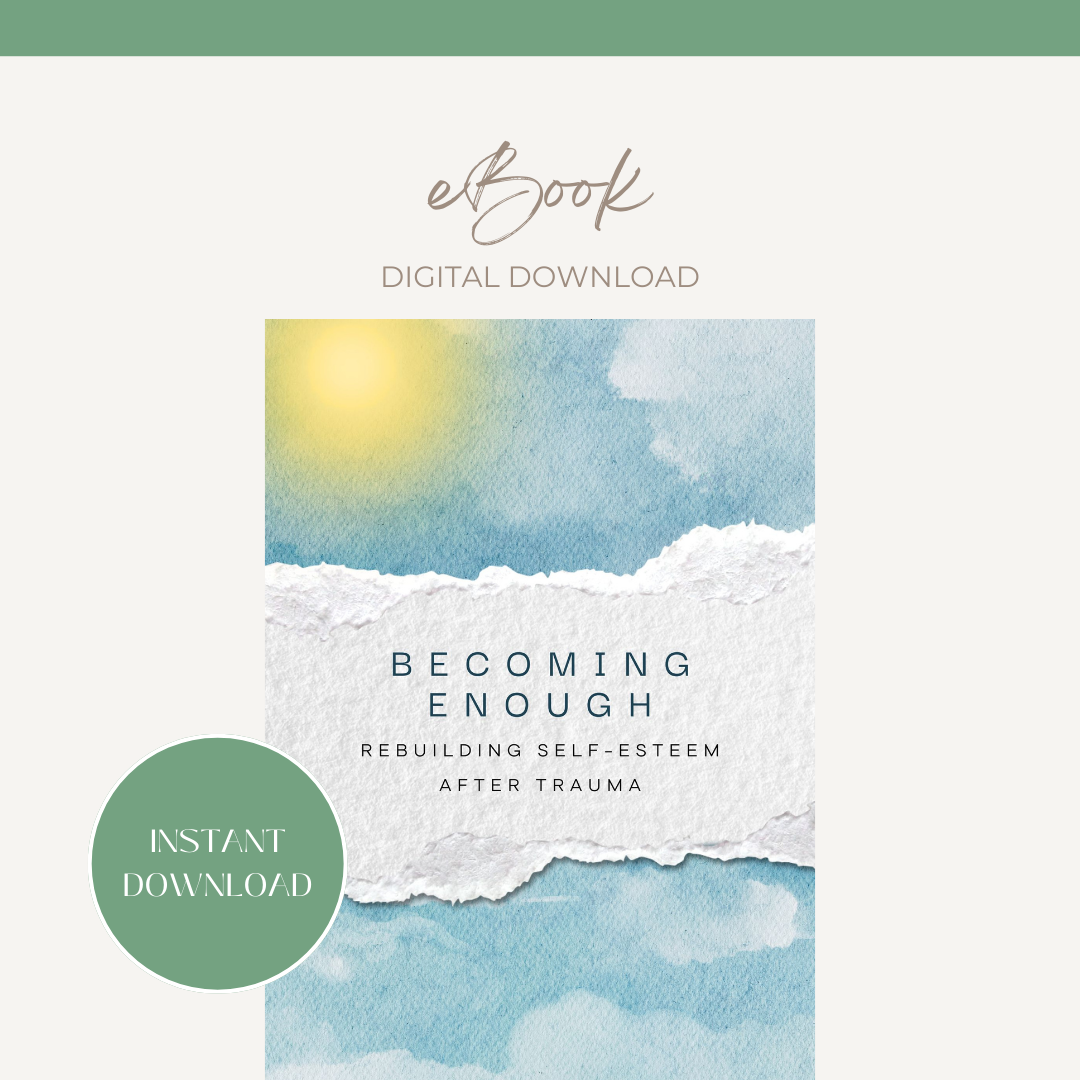
This book offers a trauma-informed, deeply educational exploration of disorganized attachment in adults—written for readers who are already self-aware, insightful, and frustrated that understanding alone hasn’t led to lasting change.
Rather than framing disorganized attachment as a personality flaw or fixed identity, the book explains it as a nervous-system adaptation to early relational environments where safety and threat were intertwined. Through clear psychological explanations, relatable examples, and careful distinctions from overlapping diagnoses, the book helps readers understand why push–pull dynamics, fear of closeness, and sudden emotional shifts make sense.
This is not a how-to manual or treatment protocol.
It does not promise quick fixes or emotional mastery.
Instead, it offers clarity, language, and a grounded framework that orients readers toward capacity, safety, and integration—often with the support of structured, relational work.
Written in a calm, compassionate, therapy-informed voice, this book meets readers with respect for their intelligence and lived experience, while gently pointing toward what actually supports nervous-system change.
This book offers a trauma-informed, deeply educational exploration of disorganized attachment in adults—written for readers who are already self-aware, insightful, and frustrated that understanding alone hasn’t led to lasting change.
Rather than framing disorganized attachment as a personality flaw or fixed identity, the book explains it as a nervous-system adaptation to early relational environments where safety and threat were intertwined. Through clear psychological explanations, relatable examples, and careful distinctions from overlapping diagnoses, the book helps readers understand why push–pull dynamics, fear of closeness, and sudden emotional shifts make sense.
This is not a how-to manual or treatment protocol.
It does not promise quick fixes or emotional mastery.
Instead, it offers clarity, language, and a grounded framework that orients readers toward capacity, safety, and integration—often with the support of structured, relational work.
Written in a calm, compassionate, therapy-informed voice, this book meets readers with respect for their intelligence and lived experience, while gently pointing toward what actually supports nervous-system change.