A Few Days at This Retreat Might Be Exactly What Your Nervous System Needs
I chose Bamfield on purpose.
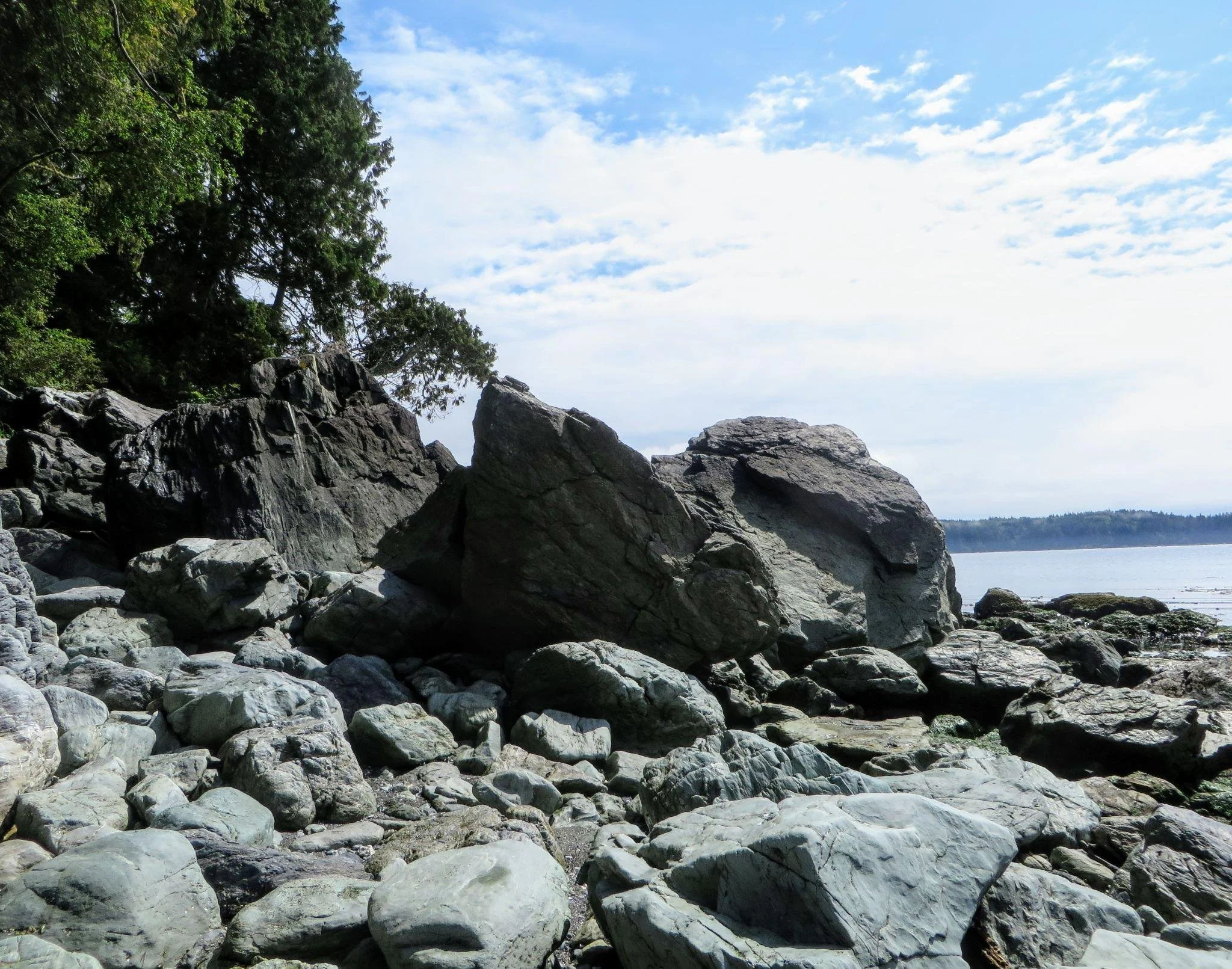
Not because it’s trendy. Not because it photographs well (though it absolutely does).
But because when I’m there, I feel my shoulders drop.
If you’ve never been, it’s quiet in a way that most of us aren’t used to. The kind of quiet where you can actually hear your own thoughts. The kind of quiet that makes you realize how loud your regular life is.
The ocean is constant there. Steady. Rhythmic. It doesn’t rush you. It doesn’t demand anything from you.
And that matters when you’re healing.
This Isn’t a “Feel-Good” Getaway
I want to be clear about something.
This isn’t a spa weekend. It’s not surface-level journaling and inspirational quotes taped to mirrors.
It’s deep work.
But it’s safe work.
As a trauma-informed clinical counsellor, I care a lot about pacing. I care about nervous systems. I care about not overwhelming people in the name of “breakthroughs.”
We move at the speed of safety.
We’ll talk about attachment patterns. We’ll explore self-worth. We’ll look at the ways you learned to survive — and whether those strategies are still serving you.
But we’ll also regulate. Ground. Pause. Integrate.
There’s space to breathe.

Why Retreats Work (In Real Life)
I see this all the time in my practice:
Someone understands their trauma. They can explain their patterns. They’ve read the books. They’ve done therapy.
And yet… something still feels stuck.
That’s because healing isn’t just cognitive. It’s experiential.
When you sit in a circle and share something vulnerable — and no one shames you — your body learns something new.
When you set a boundary in real time and it’s respected — your nervous system updates.
When you realize you’re not the only one who feels “too much” or “not enough” — shame loosens its grip.
That kind of learning doesn’t happen through insight alone.
It happens in relationship. In experience. In the body.
And being somewhere like Bamfield — away from your roles, your routines, the people who expect you to be a certain way — creates room for that shift.
Who This Retreat Is Really For
This retreat is for the person who:
Is high-functioning but exhausted.
Has done a lot of personal work but still feels a quiet ache.
Struggles with self-worth even though they look confident from the outside.
Is healing attachment wounds and wants something deeper than another podcast episode.
Is ready to be honest — but doesn’t want to be pushed or exposed.
You don’t need to be in crisis.
You just need to be willing.
What Our Days Will Actually Look Like
We’ll blend structured therapeutic exercises with reflection and time in nature.
There will be:
Guided experiential work
Nervous system regulation practices
Attachment-focused discussions
Journaling and integration time
Quiet space to walk the shoreline or sit with your thoughts
There will also be laughter. And real conversations. And probably a few tears — the relieving kind.
This is not emotional chaos.
It’s contained, intentional depth.
Why Bamfield Changes Things
There’s something about the West Coast. The mist. The trees. The steady sound of water.
When you’re standing on the edge of the ocean near Bamfield, your problems don’t disappear — but they shift in proportion.
You feel small in a good way.
Held.
Part of something bigger.
That perspective makes it easier to let go of who you thought you had to be.
And that’s often where the real work begins.
If You Feel a Pull
I’ve learned to trust that subtle internal nudge.
If something in this resonates — even quietly — that’s worth paying attention to.
I keep these retreats intentionally small. Depth matters more to me than numbers. Safety matters more than scale.
If you’d like to learn more about the upcoming Bamfield retreat — dates, investment, details — you can visit the Retreat Website Alignment Retreats and explore the retreat page there.
I would be honoured to hold that space with you.
Bri Larson, MPCC, CCATP, CCTP-II
Trauma-Informed Clinical Counsellor
Kelowna, BC | Virtual across North America
bri@thecorekelowna.com
Books:
Becoming Enough: Rebuilding Self-Esteem After Trauma
Love & Fear: A Guide to Healing Disorganized Attachment
