
The Effects of Trauma on Mental Health
What happens after a traumatic experience—and why it doesn’t just “go away”

Understanding Trauma
Trauma isn’t just what happened to you—it’s what happened inside your body and nervous system as a result.
After a traumatic experience, your system shifts into survival mode. This can look like anxiety, shutdown, emotional overwhelm, or feeling completely disconnected from yourself.
And for many people, it doesn’t stop when the event is over.
Your body can continue to respond as if the threat is still happening.


Common Psychological Effects of Trauma
Trauma shows up differently for everyone, but there are some common patterns I see regularly in my practice:
Anxiety and Hypervigilance
You feel constantly on edge. Your mind is scanning for danger, even when nothing is wrong. Relaxing feels difficult or unsafe.
Emotional Numbing or Disconnection
Instead of feeling everything—you feel nothing. You may feel detached from your emotions, your body, or even the people around you.
Intrusive Thoughts or Memories
Flashbacks, nightmares, or unwanted thoughts that seem to come out of nowhere. These can feel intense and hard to control.
Avoidance Patterns
You may avoid certain places, conversations, or situations that remind you of what happened—or avoid discomfort altogether.
Shame and “Not Enough” Beliefs
Many people begin to internalize the experience, developing beliefs like:
“I should be over this”
“Something is wrong with me”
“I’m not strong enough”
These beliefs often run deeper than the trauma itself.
The Nervous System Piece
(What Most People Don’t Realize)
Trauma is not just a mental health issue—it’s a nervous system injury.
Your body learns to protect you through patterns like:
Fight (anger, irritability)
Flight (anxiety, restlessness)
Freeze (shutdown, stuckness)
Fawn (people-pleasing, losing yourself)
These responses aren’t flaws.
They’re adaptations that once kept you safe.
The problem is—they don’t always turn off on their own.
Why Trauma Doesn’t Just Go Away
One of the most frustrating parts of trauma is this:
You can understand it logically… and still feel stuck.
That’s because trauma isn’t stored in the thinking part of your brain—it’s stored in the body and emotional memory systems.
This is why:
Talking about it isn’t always enough
Insight doesn’t automatically create change
You can “know better” but still feel the same
Healing requires more than awareness.
It requires working with the system that holds the trauma.
What Healing Actually Looks Like
Healing from trauma isn’t about “getting over it.”
It’s about:
Regulating your nervous system
Understanding your patterns without judgment
Processing what was never fully processed
Rebuilding a sense of safety in your body
Changing the beliefs that formed because of it
This is where therapy becomes more than just talking.
How I Work With Trauma
My approach is direct, compassionate, and focused on real change.
I integrate multiple modalities depending on what you need, including:
DBT (Dialectical Behaviour Therapy) for emotional regulation
IFS (Internal Family Systems) for deeper parts work
Attachment-based therapy to understand relationship patterns
Trauma-informed approaches that work with the nervous system, not against it
You won’t just talk about your past—we’ll actually work through it in a way that creates movement and integration.

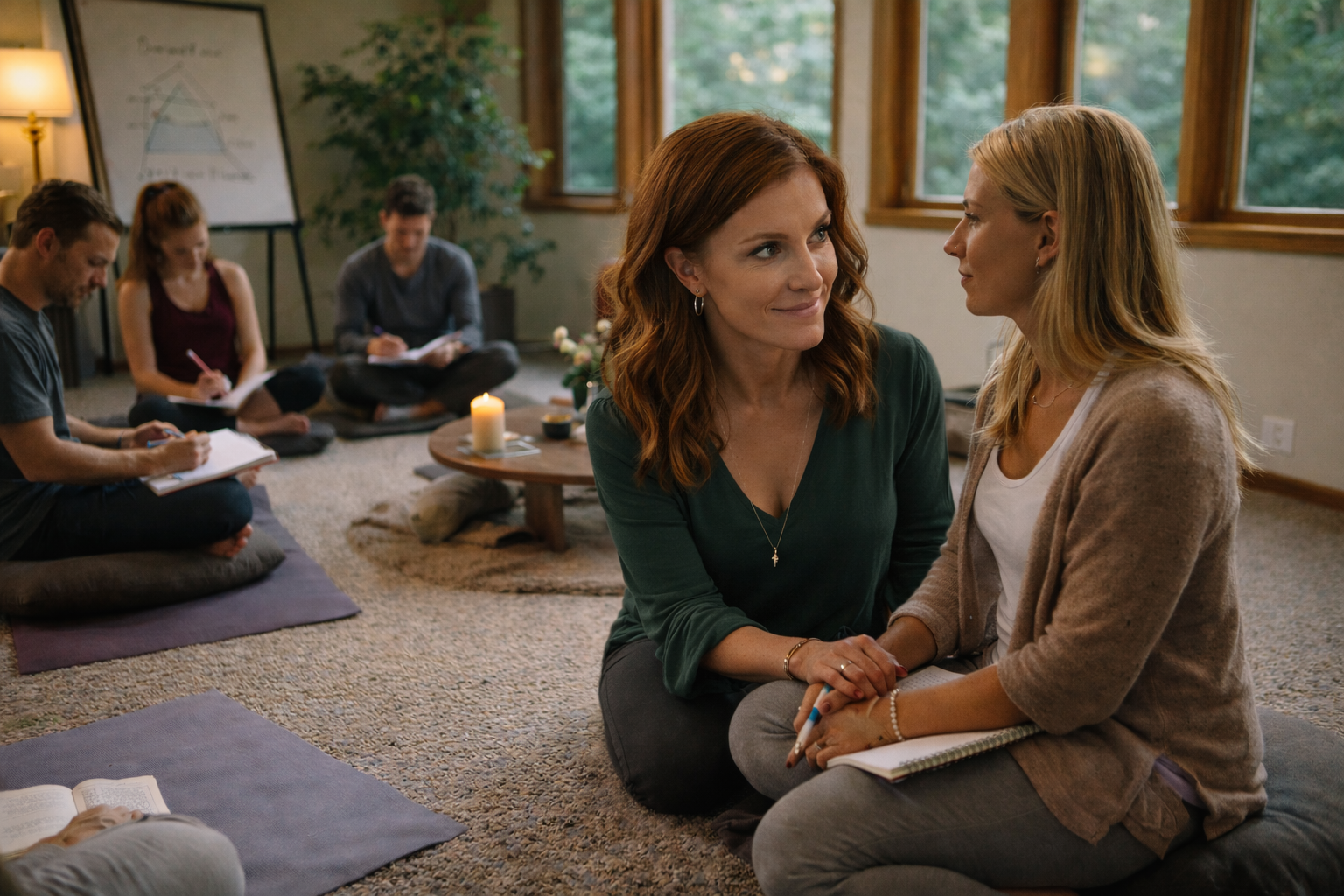


You Don’t Have to Stay Stuck Here
If you’ve been living in survival mode, it can start to feel normal.
But it doesn’t have to stay that way.
Change is possible—not by forcing yourself to “be different,”
but by understanding and working with how your system has adapted.

Next Steps
If this resonates with you, there are a few ways to move forward:
Book a 1:1 session (in-person in Kelowna or virtual)
Reach out with any questions you have
Explore whether this type of work feels like the right fit for you
You don’t have to figure this out alone.
Online Trauma Therapy (North America)
If you’re not located in Kelowna, I also offer virtual trauma therapy across British Columbia and North America.
This allows you to access consistent, trauma-informed care from your own space.
Bri Larson, MPCC, CCATP, CCTP-II
Trauma-Informed Clinical Counsellor
Kelowna, BC | Virtual Across North America
Author of Becoming Enough: Rebuilding Self-Esteem After Trauma